Tuesday, October 19, 2010

Benign Mesothelioma

Malignant mesothelioma is an unusual form of cancer in that it usually remains latent in the body for 20-50 years before it appears. However, benign or non-malignant mesothelioma cancer can surface much sooner and is often an indication that the individual should be carefully watched for signs of more serious asbestos-related diseases in the future.
Benign mesothelioma is much easier to treat than the malignant form and can indeed be treated successfully. This type of asbestos cancer also differs from the malignant form in that benign tumors do not invade nearby tissues nor spread to other parts of the body. The fact that it remains contained makes it much easier to address and mesothelioma surgery may be recommended. However, these benign tumors can grow to be quite large and may indeed negatively impact the organs of the body that are close to the tumor, causing a host of other problems if not immediately addressed.
Non-malignant mesothelioma, for the most part, causes many of the same symptoms as malignant mesothelioma so, at the offset, it is difficult to distinguish the two with just a simple examination. Mesothelioma symptoms may include dry cough, difficulty breathing or shortness of breath, and chest pain. After the initial examination, mesothelioma doctors will most likely order a simple chest x-ray followed by more sophisticated imaging tests that may include a CT scan or MRI. A biopsy will be part of this battery of tests as well, if a mesothelioma diagnosis is suspected after the scans. The biopsy can definitively determine whether or not the tumor is malignant.
Once diagnosed, benign mesothelioma is usually treated with a surgical procedure known as a thoracotomy. This type of mesothelioma treatment involves the removal of one segment of the lung or, in very rare cases, the entire affected lung. As with any surgery, complications may occur, but the mesothelioma survival rate is generally higher in these patients.
Sources
Advanced Cancer Help
advancedcancerhelp.com/benign_mesothelioma.htm
Cancer Research UK. About Mesothelioma
www.cancerhelp.org.uk/help/default.asp?page=4393

Malignant Mesothelioma

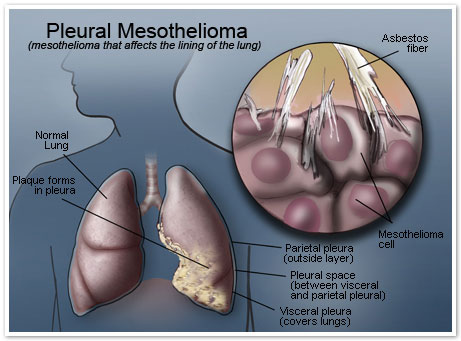
Malignant MesotheliomaMalignant Mesothelioma is a rare form of cancer that affects the thin cell wall lining of the body's internal organs and structures. This lining is known as the mesothelium. Malignant mesothelioma has three known varieties. They are malignant pleural mesothelioma, malignant pericardial mesothelioma, and malignant peritoneal mesothelioma. Pleural mesothelioma occurs in the pleura, the lung's lining. Peritoneal mesothelioma occurs in the peritoneum, the abdominal cavity wall. And pericardial mesothelioma occurs in the lining of the hearth, known as the pericardium.
Peritoneal Mesothelioma

Malignant peritoneal mesothelioma is a rare type of cancer that occurs in the thin cell walls which surround the abdominal cavity, known as the peritoneum. This thin membrane acts a lubricant within the abdominal cavity so that surrounding organs and internal body structures may contract and expand within their normal body function.
Other types of mesothelioma cancer include malignant pleural mesothelioma, occurring in the cell wall surrounding the lungs, and malignant pericardial mesothelioma, which occurs in the pericardial lining of the hearth. Peritoneal mesothelioma is the second rarest form of the disease and accounts for approximately 20% of all mesothelioma cases each year.

Pericardial Mesothelioma

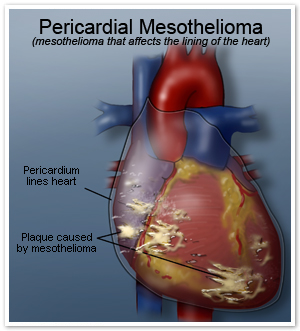
Pericardial MesotheliomaMalignant pericardial mesothelioma is a type of cancer that originates in the mesothelium, a thin wall of cells that surround the body's organs and internal body structures. Pericardial mesothelioma originates in the lining of the heart. Other locales of the disease are malignant pleural mesothelioma, which occurs in the lining of the lungs and malignant peritoneal mesothelioma, which occurs in the abdomen wall. Pericardial mesothelioma is the rarest of these malignancies and accounts for only an estimated 10 percent of all mesothelioma incidences annually.

Pleural Mesothelioma

Pleural mesothelioma is often seen in people who have been exposed to high levels of asbestos on the job. It sometimes takes 10 years or more for changes to appear that are indicative of pleural disease which affects the thin membrane layer in the chest. These differences can include a thickening or calcification of the pleural lining and is usually diagnosed as pleural plaques, pleural thickening and pleural calcification.
Pleural Mesothelioma